Why Phonics + Crafts = A Powerful Combo for Early Readers
As a primary teacher, you know phonics instruction matters. You know repetition matters. But getting young learners to stay focused long enough for that practice to actually stick can feel like a daily challenge. I get it – repetition can often lead to boredom. And. . . we all know that boredom in the classroom is not good. But don’t worry – you can provide quality phonics instruction and practice that isn’t boring. That’s where phonics crafts come in! Keep reading to learn how these are the magic key for early readers!
Can Phonics Crafts Really Be the Answer?
Before you picture glitter everywhere and a massive prep mess, let’s reset what we mean by a phonics craft. I’m not talking about a cute project that sort of connects to reading. I’m talking about a simple, skill-focused activity that gives students meaningful decoding practice while keeping their hands busy and their brains engaged.
When done intentionally, phonics crafts support skill retention, engagement, and differentiation without sacrificing rigor or adding hours to your prep time.
What a Phonics Craft Looks Like in Action
If you’re newer to teaching or newer to structured phonics instruction, this part matters. Here’s a simple example of how a phonics craft might work during a lesson or center rotation.
Let’s say you’re teaching a long vowel skill.
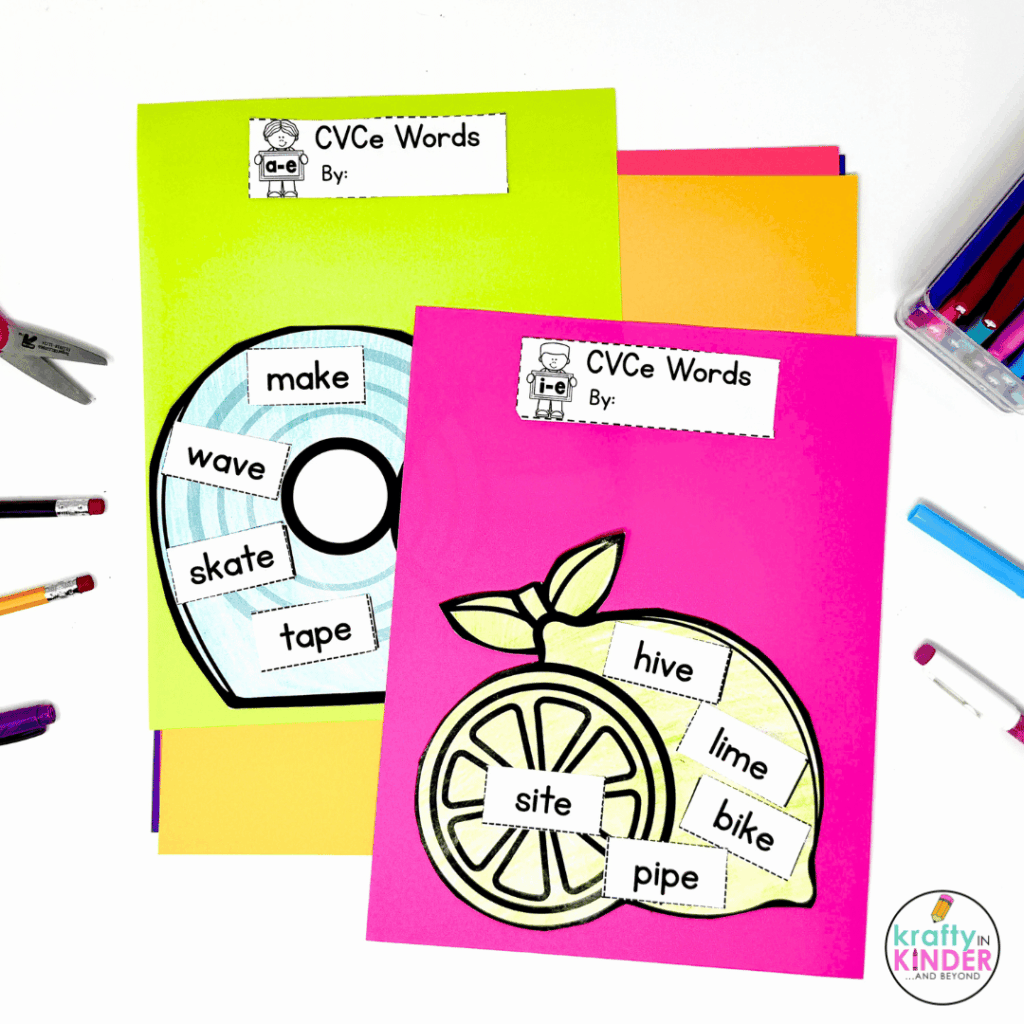
Students are given:
• A short list of decodable words that all follow the same phonics pattern
• A simple craft base
• Word cards that include correct and incorrect examples
Students first read the words with you or independently. Then they decide which words match the target phonics skill. Only those words get cut, sorted, and glued onto the craft.
Throughout the activity, students are:
• Reading real words
• Looking closely at spelling patterns
• Making decisions based on phonics, not pictures
• Repeating the same skill multiple times
The craft isn’t the focus. The decoding is. The craft simply gives students a reason to slow down and interact with the words in a meaningful way.
Why Engagement Matters in Phonics Instruction
Phonics is foundational. We know this from experience and from the Science of Reading. Students need explicit instruction and repeated practice with words that match what they’ve been taught.
But young learners also need motivation. They need something tangible. They need to feel successful. Hands-on activities naturally increase focus. Cutting, sorting, and gluing require attention, which means students are more likely to actually look at each word instead of rushing through.
That combination of movement and thinking helps learning stick!
How Crafts Support Science of Reading Principles
Sometimes, hands-on learning gets a bad reputation in structured literacy conversations. The truth is, crafts and Science of Reading-aligned instruction can absolutely work together when activities are designed intentionally.
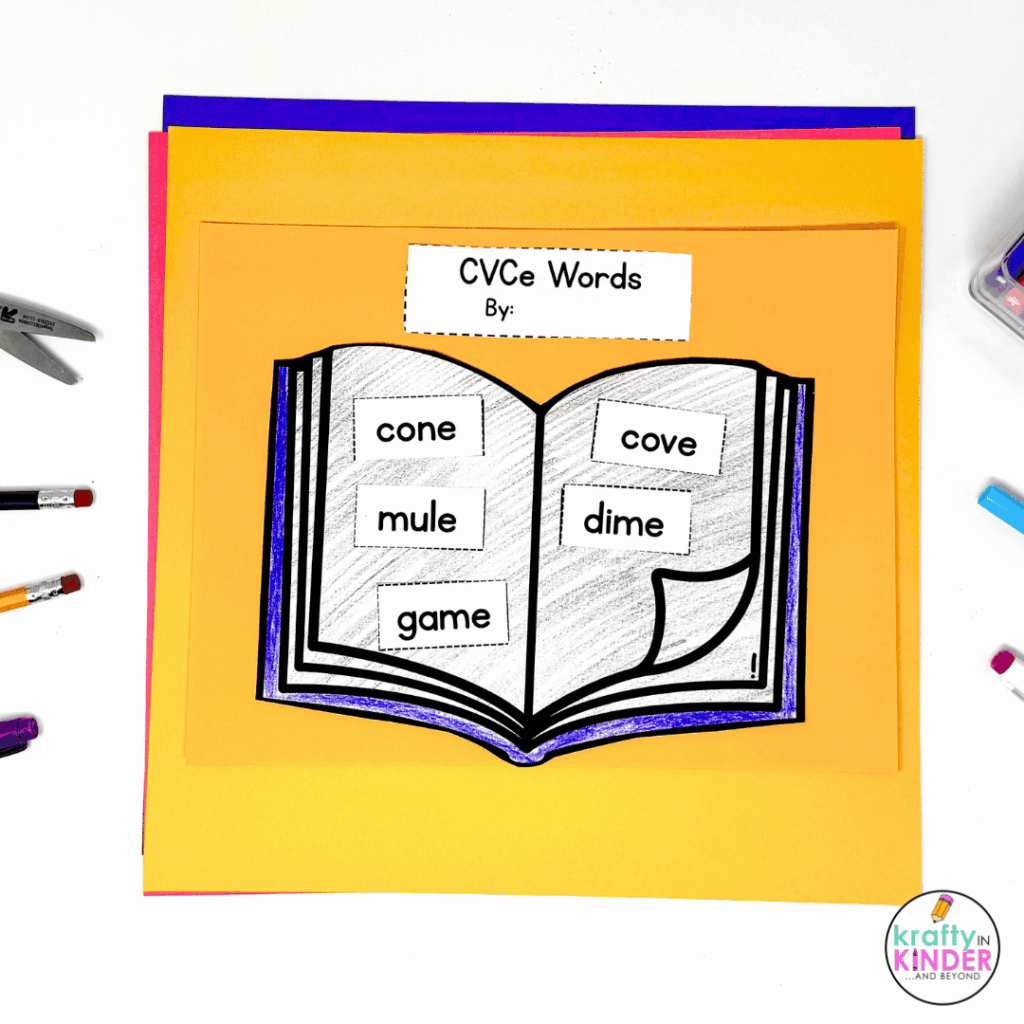
Strong phonics instruction includes:
• Explicit skill focus
• Decodable words only
• Repeated practice with the same pattern
• Clear sound to letter connections
A well-designed phonics craft supports all of this. The key is that the words must be decodable and aligned to the exact skill you’re teaching. No guessing, memorization, or surprise spelling patterns students haven’t learned yet!
When students repeatedly read and work with words that follow the same rule, the learning stays focused and effective.
Why Crafts Improve Skill Retention
Think about how many times a student interacts with the target phonics skill during a craft.
- They read the word list.
- They decide which words match the pattern.
- They cut and sort.
- They glue the words in place.
- They often reread the words when finished.
That’s multiple exposures to the same skill in a short amount of time! Compared to a worksheet that may be completed quickly and forgotten, crafts naturally slow students down and encourage deeper processing.
And when those crafts go home or stay displayed in the classroom, students continue seeing the words long after the lesson is over.
Using Crafts to Teach Magic E Effectively
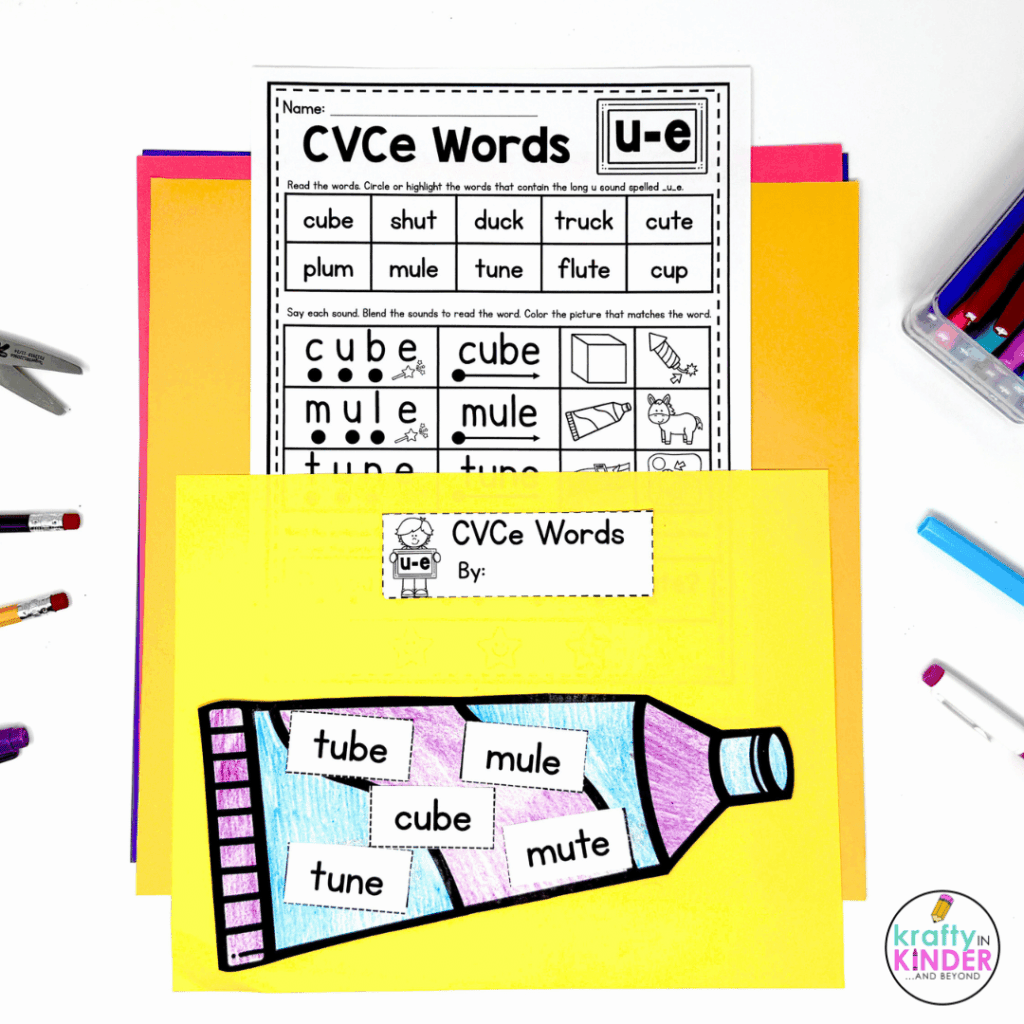
Let’s use an example to see just how well this can work! Magic E, or CVCe words, can be especially tricky for early readers. Students often forget the silent e or try to read the word like a CVC word. This is where hands-on practice makes a big difference.
When students physically work with CVCe words, they’re forced to notice how the vowel sound changes. They aren’t just hearing about it. They’re interacting with the word structure.
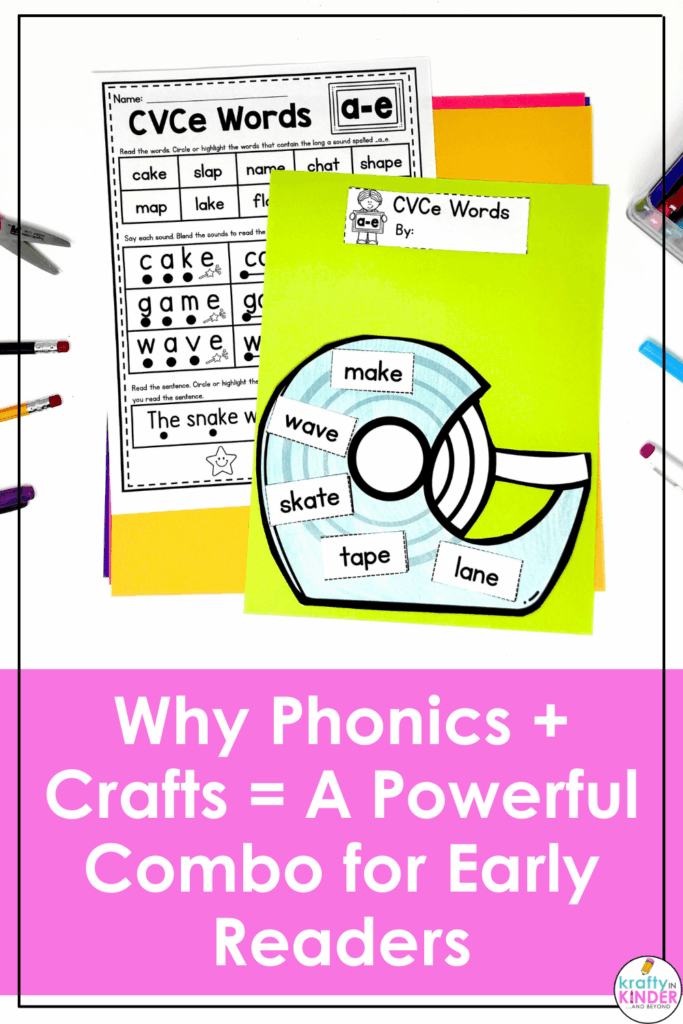
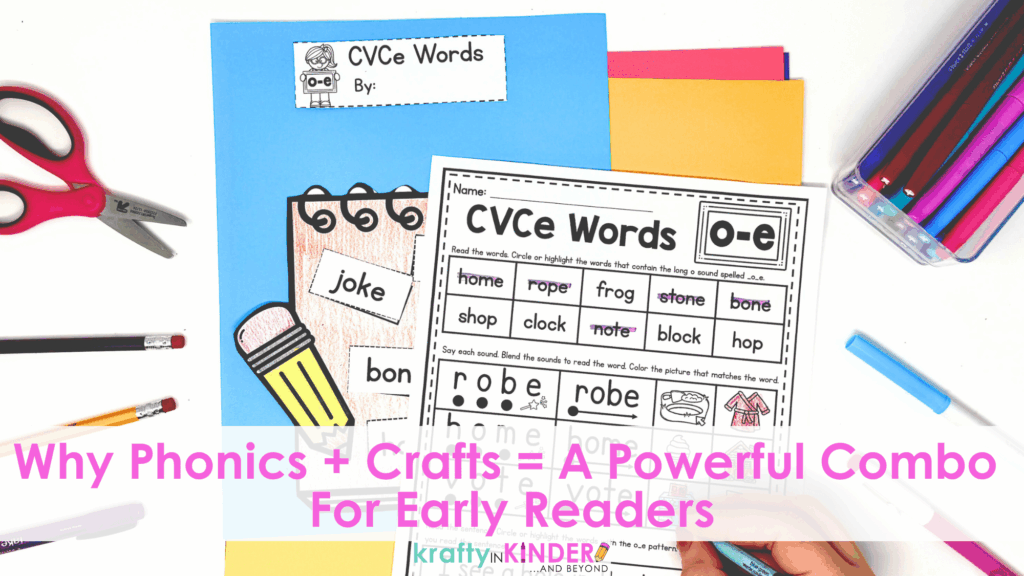
That’s exactly why I created my Magic E Phonics Crafts and Worksheets.
This resource was designed to model what effective phonics crafts should look like while staying aligned with Science of Reading principles.
How the Magic E Crafts Work
Each Magic E craft focuses on one vowel pattern at a time, so students aren’t overwhelmed.
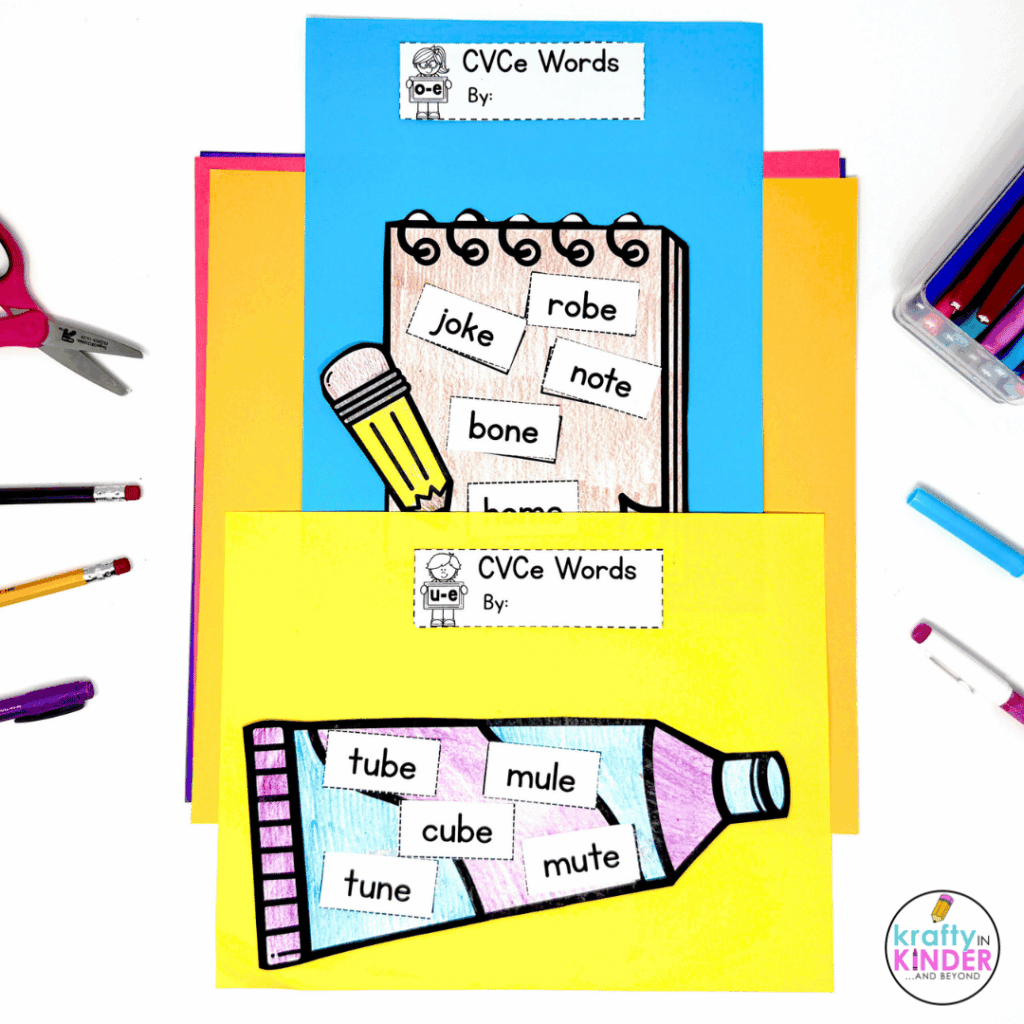
You’ll find a simple craft and targeted worksheet for:
• a_e
• i_e
• o_e
• u_e
• Mixed CVCe words
Each craft includes a decodable word list that matches the focus vowel. Students cut out the words, sort them, and glue only the words that follow the Magic E pattern onto the craft.
The layouts are consistent and easy to follow. Once students learn the routine, they can work more independently, which is especially helpful during centers or small group time.
Why the Worksheets Are an Important Part of the Process
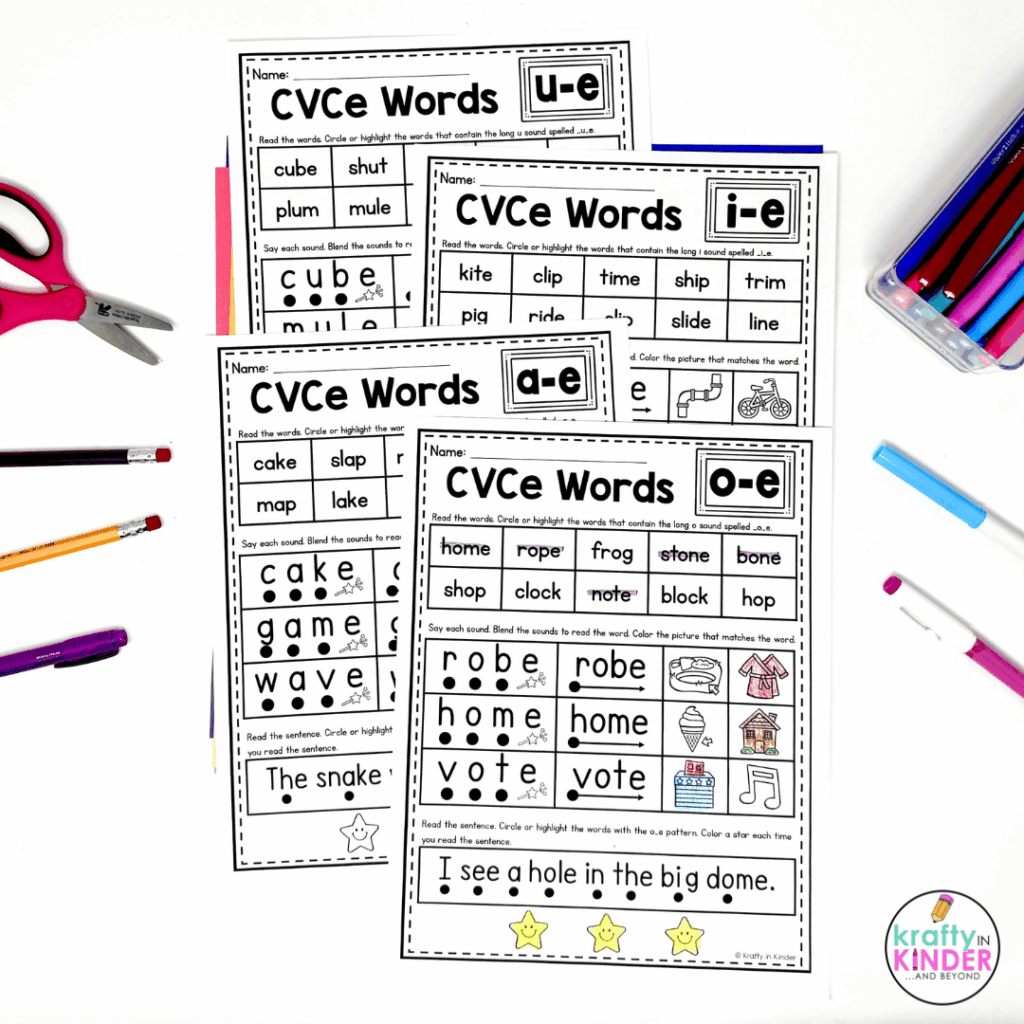
The crafts build engagement and reinforce the pattern, but worksheets provide structured decoding practice.
Each worksheet gives students the chance to:
• Tap out sounds
• Blend decodable words
• Sort words by vowel sound
• Read words multiple times for fluency
Because the worksheet aligns with the craft’s skill focus, students are practicing the same pattern in more than one way.
This makes differentiation simple. Some students may benefit from the craft first. Others may need the worksheet as extra reinforcement. Either way, the learning stays aligned.
Where These Activities Fit Into Your Day
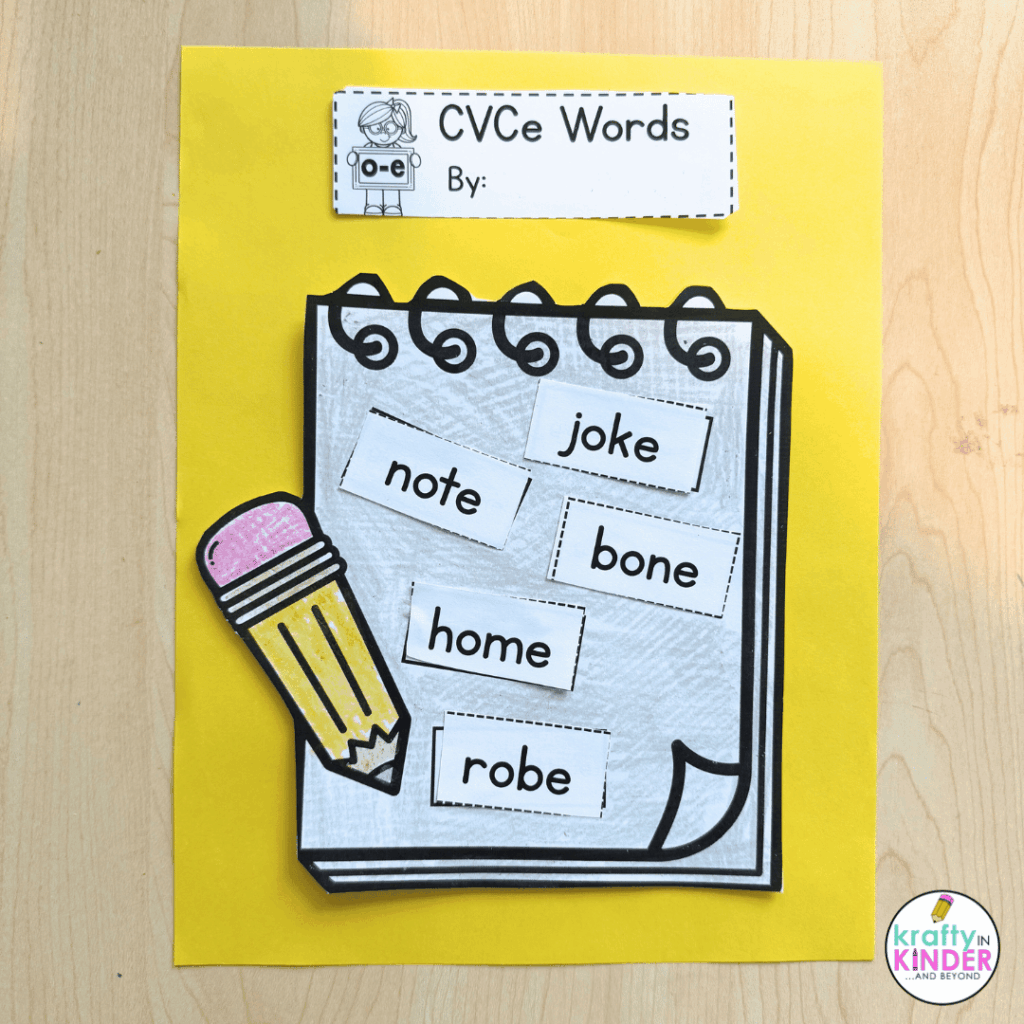
These Magic E crafts and worksheets work in just about any setting:
• Whole group phonics lessons
• Literacy centers
• Word work stations
• Small group instruction
• Independent practice
Many teachers introduce the skill whole group, then use the craft during centers and the worksheet as a follow-up activity or assessment. Because the directions are familiar and repetitive, students don’t need constant help. That gives you time to focus on targeted instruction.
And. . . students LOVE taking the craft home and reading the words to their family.
Ready for a Year of Phonics Crafts?
Once you see how well this structure works with Magic E, many teachers choose to expand with the Phonics Crafts Mega Bundle. The bundle includes 68 crafts and 63 matching worksheets covering:
• Digraphs
• Beginning blends
• Ending blends
• CVCe words
• R-controlled vowels
• Vowel teams
Each set follows the same routine, which builds student independence and saves planning time.
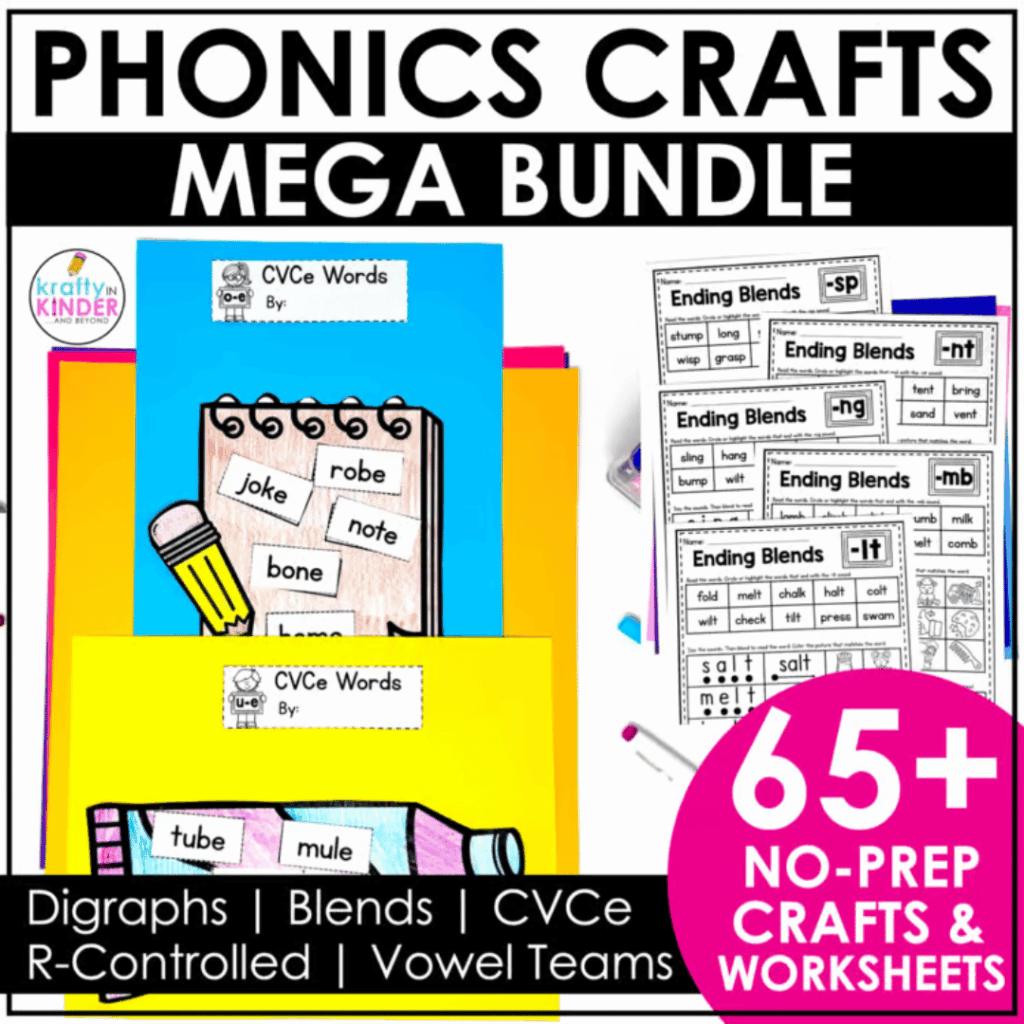
If you want consistent, hands-on phonics practice all year long, you can save 30 percent by grabbing all six Targeted Phonics Craft sets in the Mega Bundle! Add the bundle to your teacher toolkit today and prepare to be amazed at how much your early readers benefit from these crafts!
Making Phonics Fun with Crafts is Easy!
Phonics instruction doesn’t have to be rigid to be effective. When crafts are intentional, decodable, and skill-focused, they become a powerful instructional tool.
Combining phonics and crafting helps students slow down, stay engaged, and build confidence with decoding. It also helps teachers create lessons that feel manageable and meaningful.
Looking for More?
Make sure to read these posts next for more help with Magic E!
- The Best Decodable Texts for Teaching CVCE Word Patterns
- Magic E: The Fun and Effective Way to Master CVCe Words
Pin It!
If this post was helpful to you, be sure to save it on Pinterest so you can come back to it when you’re planning your next phonics unit.