The Secret to Easy, Independent Phonics Centers in K–1
If you’ve ever set up a phonics center only to find students wandering, asking “What do I do next?”, or finishing in two minutes flat… you’re not alone. The truth is, independent phonics centers can be game-changing for student growth if they’re designed with a few key principles in mind: simple routines, engaging activities, and materials students can actually use without constant teacher help! When those pieces come together, you get a win–win! Your students build their decoding and spelling skills, and you get precious small-group teaching time without interruptions. I mean, really, what could be better?!
Why Phonics Centers Sometimes Fall Flat
Centers can easily become chaotic when activities are confusing, too hard, or require constant teacher intervention. Materials get lost, directions get forgotten, and suddenly “independent” work time feels anything but independent. This is BEYOND frustrating, right? Especially when you consider how long those centers took to prep!
The good news is, with the right setup, you can create phonics centers that practically run themselves. You’ll be keeping students engaged, on task, and practicing exactly what they need. The ideas I’m sharing today are tried-and-true ways to make that happen! Here’s how to make the magic happen in your room!
Keep the Routine the Same
One of the biggest secrets to running successful independent phonics centers is consistency. When students know exactly what to expect, they can focus their energy on practicing skills rather than figuring out new directions. Think about it, if you introduce a new game or activity each week, students will spend more time asking questions or waiting for clarification than actually working on phonics. This can lead to off-task behavior and frustration for everyone!
Instead, stick with a consistent structure for your centers and only swap out the phonics skill or word list. When students master the routine, they gain confidence and independence, which means less hands-on time from you during center rotations. Here are some examples of things I include in my centers week after week:
- Letter Tiles: Provide a set of letter tiles for students to build the week’s decodable words. This hands-on learning activity helps reinforce sound-symbol connections and spelling patterns.
- Magentic Letters: This one is the same concept as the letter tiles, except they will use magnetic letters on a cookie sheet!
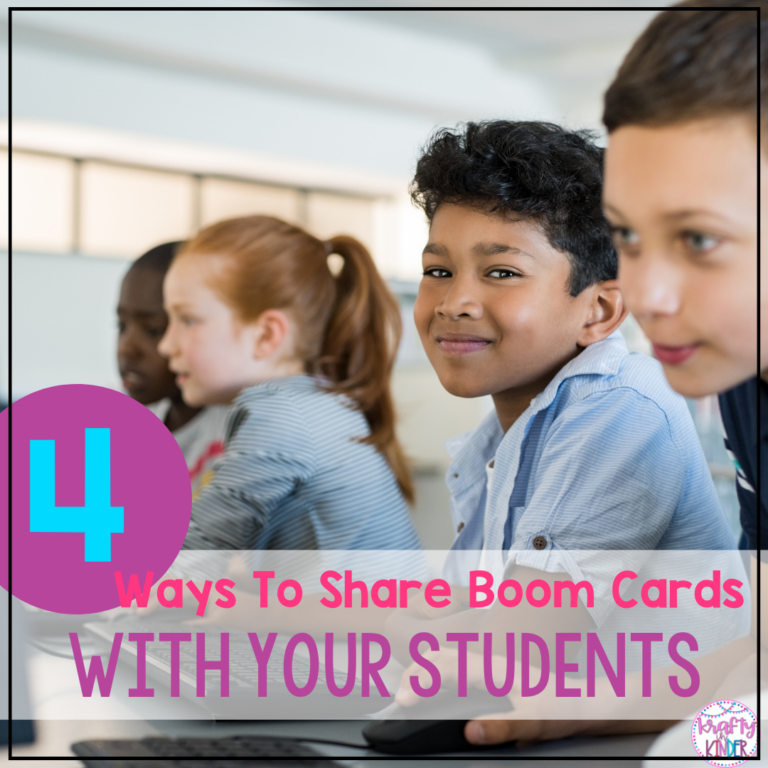
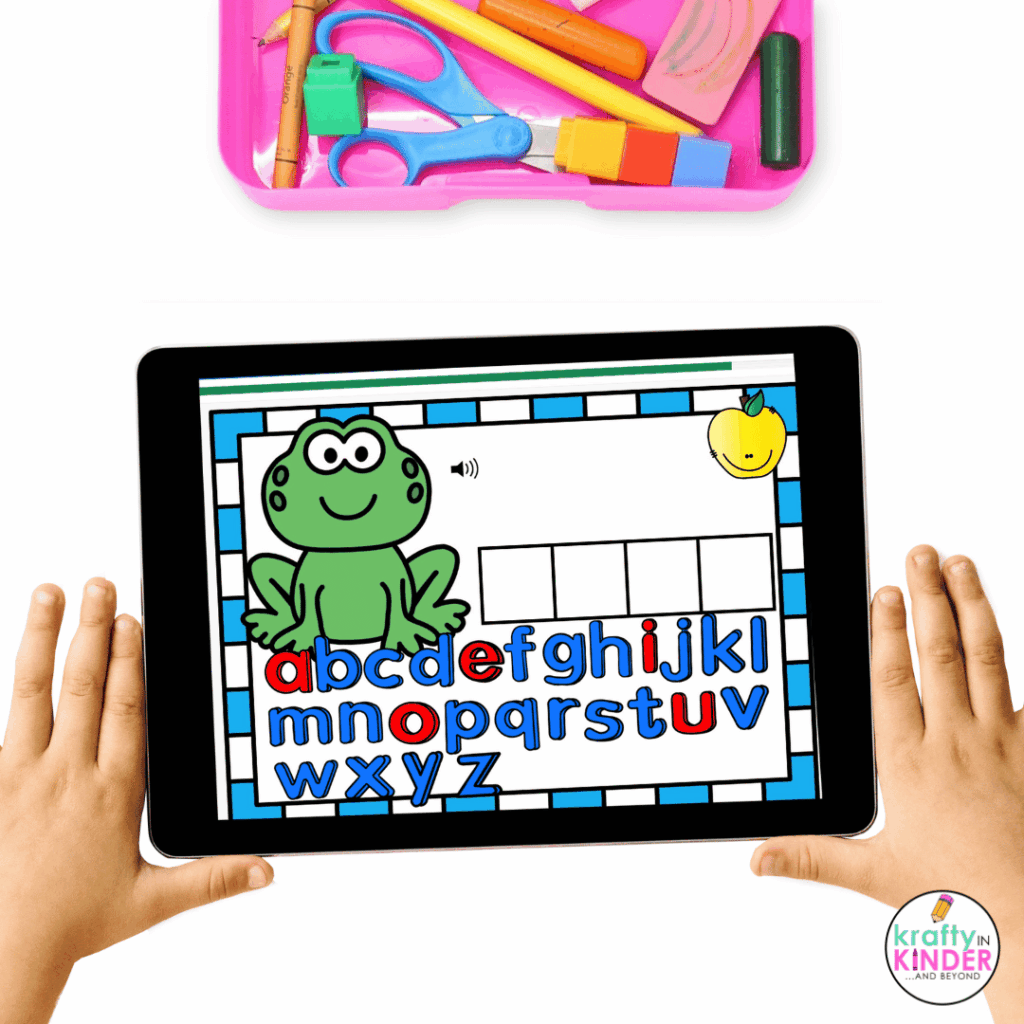
- Digital Activities: Boom Card activities are a favorite in my room – more on those in the next section!
- Playdough Words: Every single one of my students is excited to head to the playdough table, so why not take advantage of this and have them practice building the words of the week?!
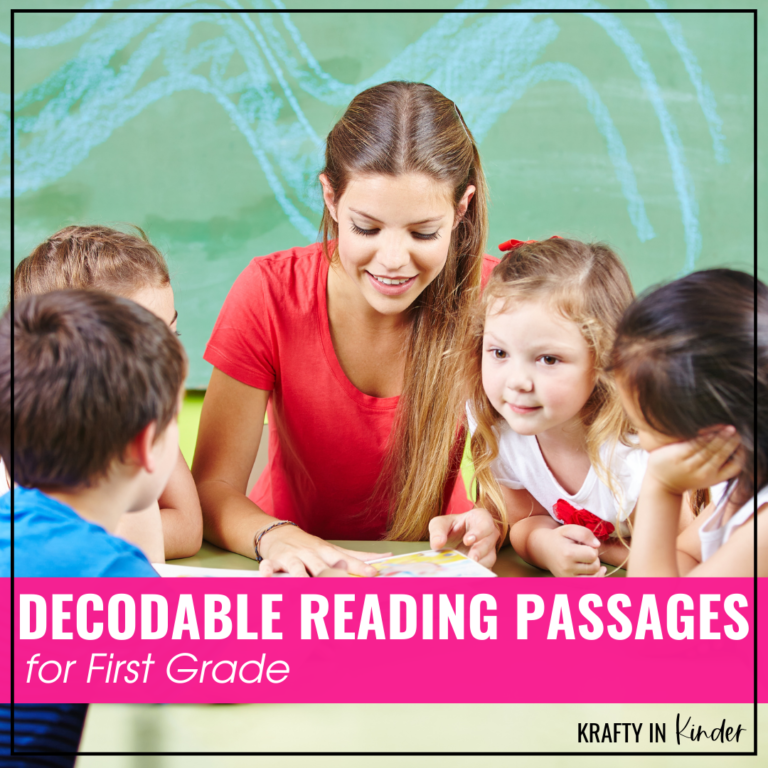
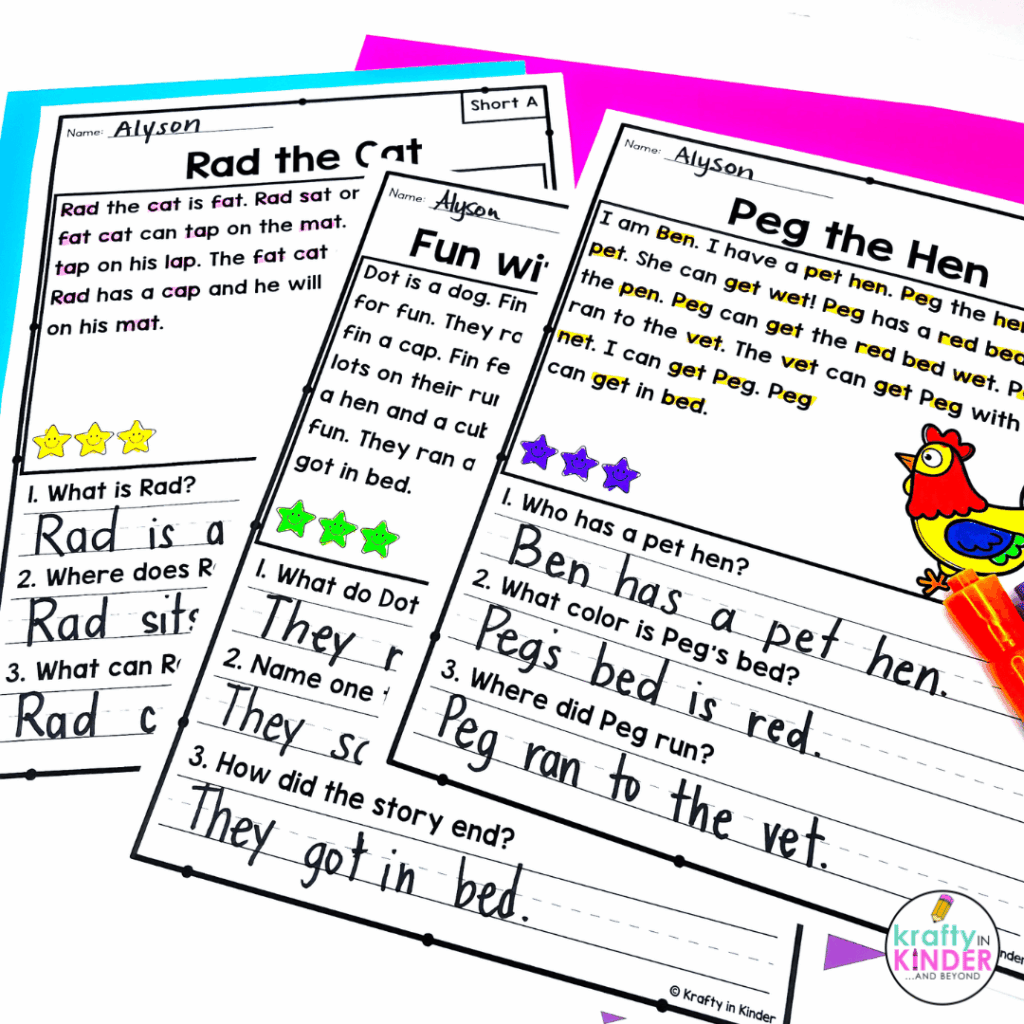
- Decodable Readers: Give students short, leveled texts focused on the target phonics skill. Students can read, highlight tricky words, and illustrate the story. This strengthens decoding skills while connecting reading to meaning. Learn more about those here.
By choosing simple centers and keeping the format the same, you save prep time and minimize student confusion. Over time, students become comfortable and capable, turning phonics centers into productive, independent learning time.
Use Activities That Are Actually Decodable
We’ve all been there. . . falling for cute, colorful centers that look fun but don’t align with the phonics skills we want students to master. While engaging materials are important, they’re only valuable if they reinforce the targeted skill. If your phonics centers include activities that don’t focus on the week’s phonics pattern, whether it’s CVCe words, blends, or digraphs, students miss the critical practice they need to build decoding fluency.
To avoid this common pitfall, opt for activities that focus solely on decodable words that match your lesson or review a previously taught skill. This keeps practice intentional and effective. It also helps you track student progress because the skill being practiced is aligned with your instruction and assessments.
One thing I highly recommend to support truly decodable practice is digital self-checking activities like Boom Cards. These digital decks turn phonics practice into interactive games, keeping students engaged and motivated. The audio directions and instant feedback enable learners to work independently with confidence, while teachers can easily monitor progress. Best of all, they free up your prep time without sacrificing instructional quality.
If you’re interested, I’ve shared my favorite Boom Cards for phonics practice in a separate post. You can find my favorites here, so be sure to read that next. Incorporating these alongside low-prep printable centers ensures your phonics instruction is both fun and laser-focused on the skills students need most.
Add a Low-Prep Craft They Can Do Solo
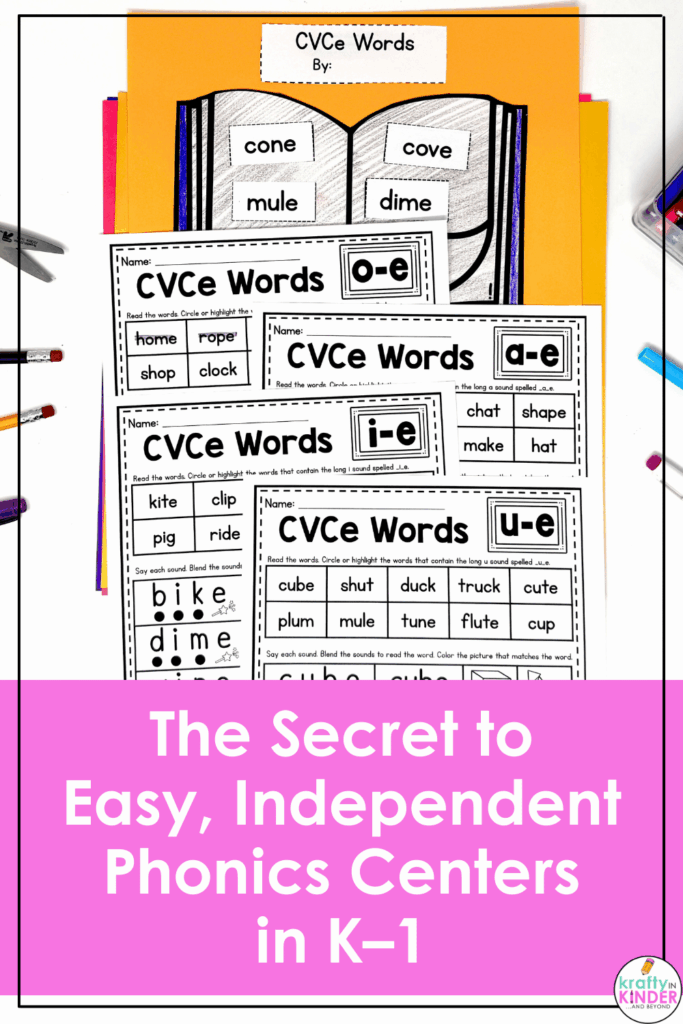
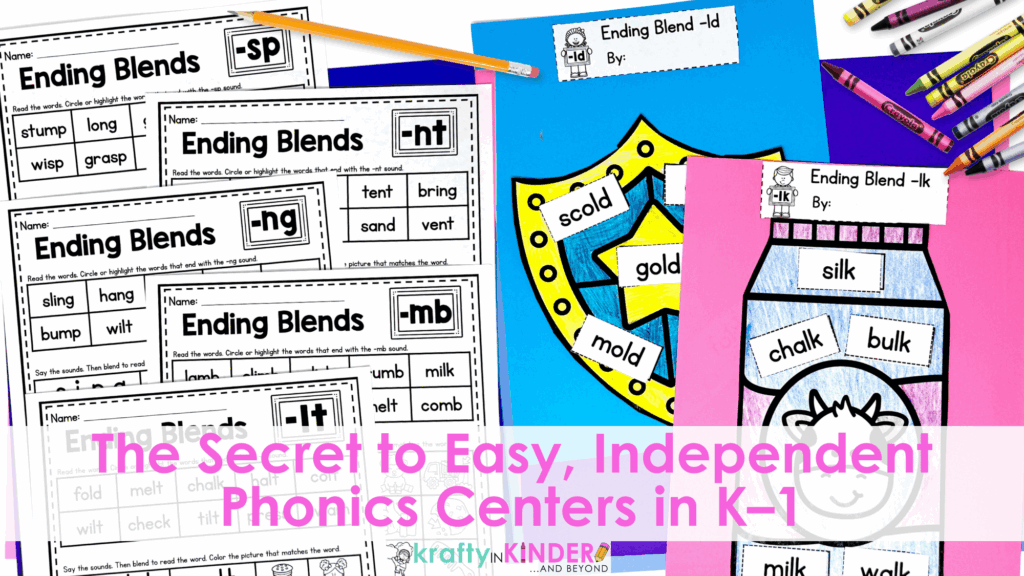
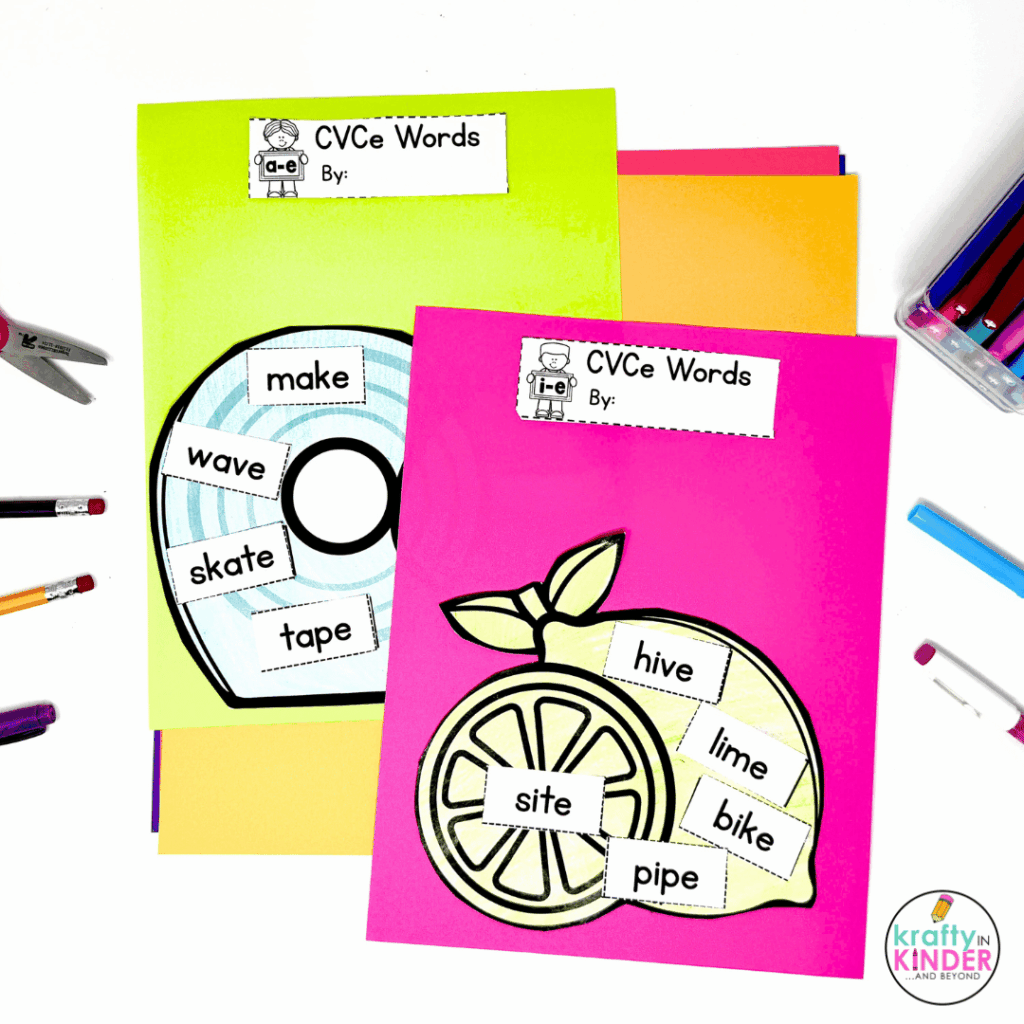
Alright, ready for the best tip yet?! Here’s where my favorite tool comes in. . . . no-prep phonics crafts! I know what you’re thinking. . . . crafts?! How are these independent?! But hear me out, with the right crafts, not only will this be the perfect independent center activity, but it will be your students’ favorite too! Here’s how it works:
Students will:
- Read a list of decodable words
- Identify the words that match the target phonics skill
- Color, cut, sort, and glue the correct words onto a themed craft
Once students know the routine, they can complete these totally on their own, and every word in the craft is decodable. They also double as an easy bulletin board or take-home review!
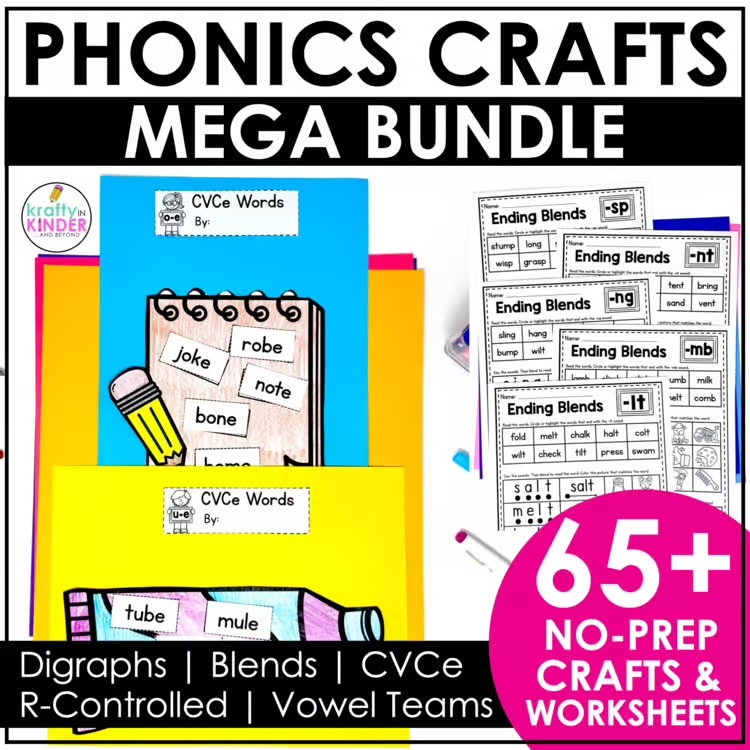
My go-to set is this Targeted Phonics Crafts Bundle. It includes crafts for digraphs, blends, CVCe words, and more, so you can plug them into your center rotation all year. They’re engaging enough to hold student attention and structured enough for true independence.
Phonics Crafts: Your New Favorite Phonics Center
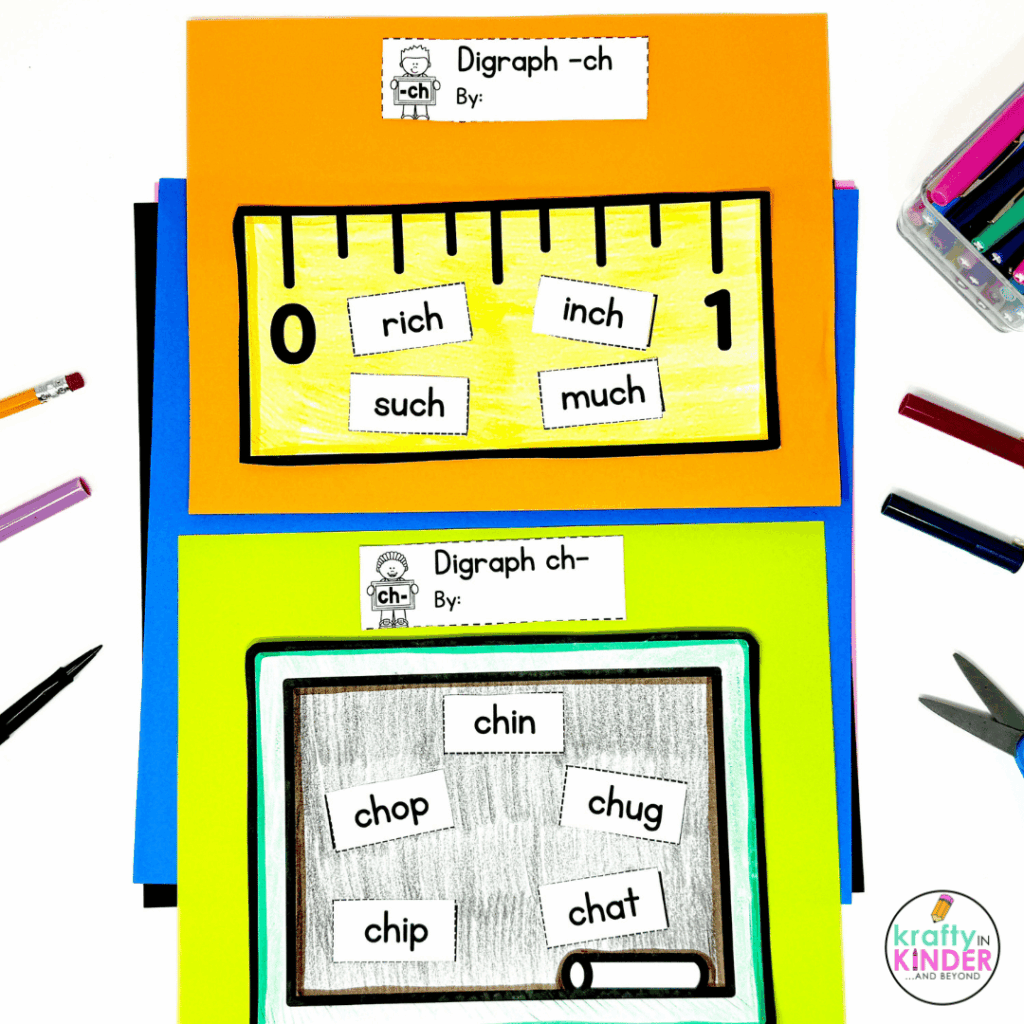
Using the phonics crafts is as simple as it gets, which is exactly what makes them so effective for independent centers. Once you’ve taught the routine for cutting, gluing, and reading the decodable words, students can complete new crafts with minimal guidance.
Each page focuses on a single phonics skill, like digraphs, blends, or CVCe words, so students are only practicing patterns they’ve already learned. I like to model one during a small group early in the week, then place a fresh set in the center basket with scissors, glue, and crayons. Students know exactly what to do, and they get valuable phonics practice while building something they’re proud to take home. Here are some of the reasons you’ll love them:
- Low-Prep & Consistent Format: One simple structure used across all skills
- Hands-On & Decodable: Every activity reinforces decoding with real, skill-based words
- Science of Reading Aligned: No guesswork, just purposeful practice
- Builds Student Independence: Clear directions and repeated routines help students grow in confidence
- Versatile Use: Great for centers, small groups, independent work, or use as a whole class activity at the end of the week
Inside the Targeted Phonics Craft Bundle, you get all 6 sets, including Digraphs, Blends, CVCe, R-Controlled Vowels, and more for year-round phonics instruction and small group support.
Bonus Tips for Successful Phonics Centers
When it comes to phonics centers, you could say it’s not my first rodeo. Before we wrap up, here are a few bonus tips to help ensure success:

- Don’t forget to model each activity in depth before sending students off to work independently. You might complete a similar activity together as a class or during small groups before moving it into an independent center.
- Provide simple, visual directions at the center to support self-guided learning. This is a great reminder for students on what they should be doing and will minimize questions.
- Choose engaging, independent activities that students can be successful with. This means choosing skills that students have already been introduced to and have shown a level of understanding. Avoid the temptation to add new skills, or skills students are struggling with, to centers.
- Checking in with small groups or individual students during center time can help identify who might need extra support or challenge.
With these elements in place, phonics centers become a powerful tool, not just for practice, but for building student confidence, independence, and a love for reading. You’ll spend less time managing and more time teaching, while your students enjoy meaningful, hands-on learning that sticks.
Putting it All Together for Fantastic Phonics Centers in K-1!
Creating phonics centers that truly work means combining thoughtful planning, consistent routines, and engaging, skill-focused activities. Start by establishing a clear, repeatable structure that your students can easily follow, so center time becomes a smooth, predictable part of their day.
Choose activities that directly reinforce your weekly phonics goals, whether that’s building words with letter tiles, practicing decoding with clip cards, or reading decodable texts. Layer in digital options like Boom Cards for interactive, independent practice with instant feedback. And finally, don’t forget to add some fun independent activities that are outside of the norm, like my Targeted Phonics Craft Bundle!
You can find all of the resources mentioned here in my TPT store, along with many more to support your phonics centers. I hope you have fun crafting a phonics center routine that works for your room and supports learning!
Save This Post
Make sure to pin this post on Pinterest so that you can come back to it when you’re ready to plan phonics centers in your K-1 classroom!