
Engaging & Interactive Digraph Practice for Centers and Small Groups
Are you looking for fun ways to weave digraph practice into your daily routine? If so, you’re in the right place! In this post, I’ll show you how to make digraph practice fun and interactive using differentiated centers and small group activities. Whether you’re looking to fill literacy stations, boost small group instruction, or stock your early finisher bins, these ideas will make it simple and easy!
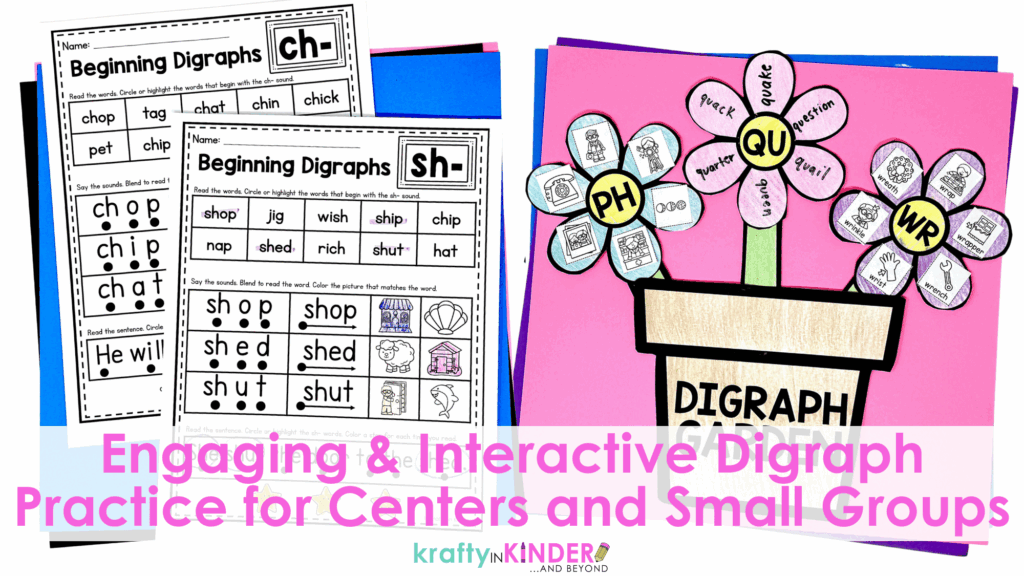
Moving from Instruction to Digraph Practice
Once you’ve introduced digraphs in whole-group instruction and laid a strong foundation, the real fun begins. . . practice! This is where your students get to explore digraphs more independently, apply their knowledge, and solidify their understanding through repetition. If you missed my post on how to introduce digraphs in a fun way, make sure to go back and check it out here!
Engagement is Key to Successful Digraph Practice
In my first post, all about Digraphs 101, I covered why this particular phonics skill can feel a little confusing for primary learners. Children are used to letters making just a single sound in isolation, but digraphs are two letters that come together to make a new sound. This can feel tricky at first! Luckily, with intentional digraph practice activities, you can help your learners feel more confident with this skill.
The secret to success? Keeping your digraph practice activities engaging, hands-on, and consistent across multiple exposures. Let’s walk through how this looks in my classroom.
Choose Center Activities That Feel Like Play
My best tip for keeping engagement high? Make it FUN! Centers are the perfect time to provide repeated exposure to digraphs without making it feel overly repetitive. But let’s be honest, if students aren’t engaged, they won’t absorb the skill, no matter how many times they practice it. So, it’s our job to look for center activities and lessons that feel more like play than schoolwork.
That’s exactly why I lean into cut-and-paste crafts, puzzles, and sorting activities that double as fine motor practice and meaningful literacy work. These types of activities are way more fun than a typical worksheet and allow my kids to get the practice they need, without them even realizing how hard they’re working! If that’s not a teacher-win, I’m not sure what is!
Digraph Garden Sorting Craft
First up, I’ve got a Digraph Garden Sorting Craft that’s not only cute, but super effective in practicing digraphs too! This activity is hands-on, visual, and perfect for small groups. To use, students will read and sort words with different digraphs (like SH, CH, TH, and CK) and “plant” them in their flower pot. The words are listed on flower petals, and they sort them by sound. Then, they glue the pieces together to create a flower filled with matching digraphs. Last, they add the flowers to their digraph pot.
Benefits of this Digraph Practice Activity
One of the best things about this activity is that it has SO many options to customize. First off, you can choose from SH, TH, CH, CK, WH, PH, QU, WR to tailor the activity to your students’ needs. Teachers can leave out any digraphs they haven’t covered. You can cover multiple digraphs at a time, or create a new flower craft for each digraph as they are introduced. Teachers can also choose to focus on just beginning digraphs, ending digraphs, or a mix of both for each digraph.
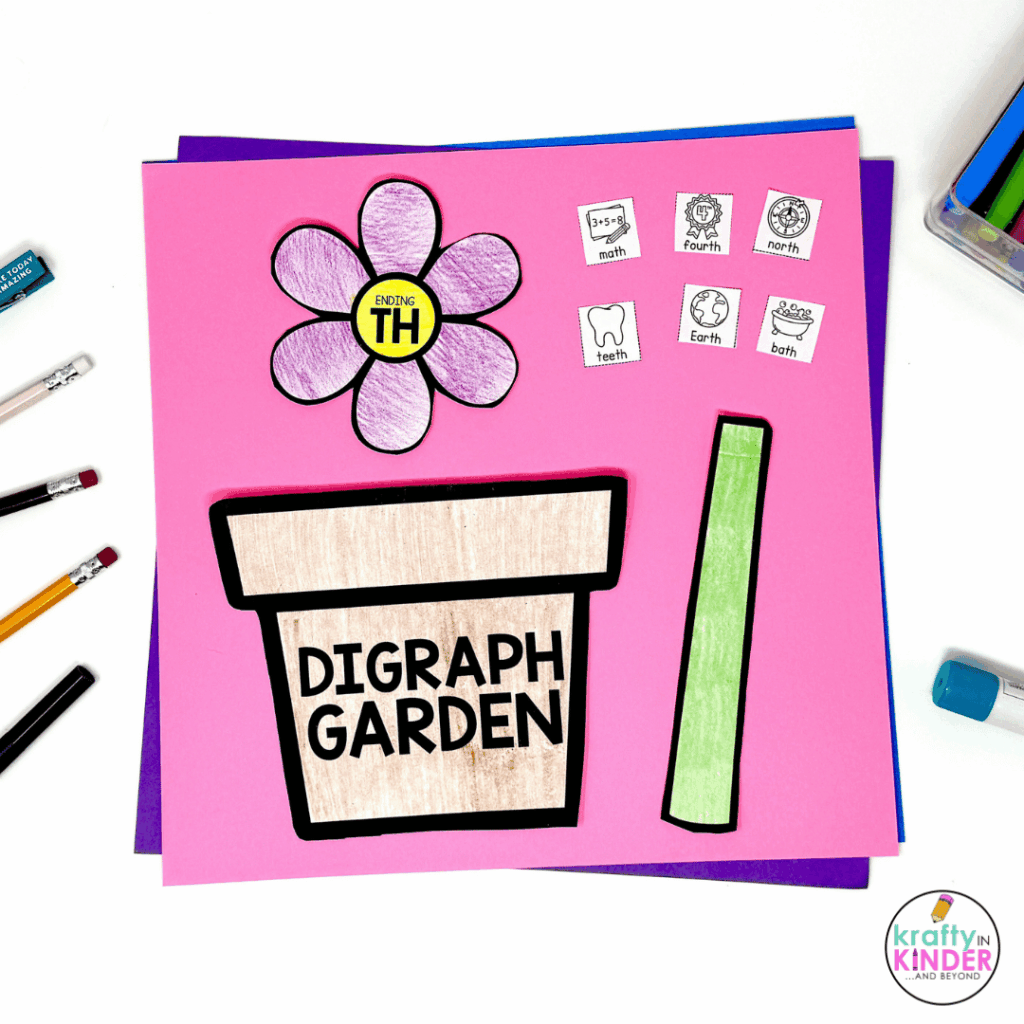
There are also options that allow students to write words for each digraph on flower petals, or they can use the included cut-and-paste picture pieces. There are two different versions for the cut and paste option. One with just pictures and one with pictures and words for extra differentiation. This is so great because it means you can choose the options that work best for your class!
The best part, though, is that these are SO easy to prep! When you’re ready to use these, you will simply print a set of pages for students, and they get to work cutting, sorting, coloring, and pasting! It’s such a great way to weave in some fine motor practice while you do some targeted digraph practice. Oh, and they look adorable up on a bulletin board, too!
More Digraph Practice
Want to turn this into a reusable center? You can print the pages on colored paper, laminate them, and use Velcro dots and a file folder to create an activity that is perfect for center time or morning tubs!
To prepare, just glue down the flower pot, stems, and flower bases to the file folder. Then, laminate the whole thing, add velcro to the petals, and the laminated sorting pieces. Then students can sort petals for each digraph over and over again. You could even add a writing element to this activity! Do this by having students write each word they add to the flowers on a piece of paper or in a notebook. Remember, digraphs can feel tricky, so extra practice is always a great idea!
Use Hands-On Tools During Centers and Small Groups

Another great idea to sneak in some fun and engaging digraph practice during centers and small groups is to consider hands-on tools your best friend. I mean it, kids love hands-on learning, and it’s one of the best ways that I have found to make new material stick!
If you are anything like me, you are always looking for a way to reuse resources you already have for activities. Well, I have the perfect opportunity for you. In my Digraph Garden Craft, there are pages with words for each of the digraphs. Print off those pages and create your own word cards to use for hands-on word building. You can even use your printer settings to make them larger. Just print, glue onto a piece of cardstock for extra durability, and laminate.
Now you have a set of digraph word cards you can use for all sorts of things! Students can use them to build words with playdough, magnetic letters, or letter beads. Add them to the writing center for use in writing sentences. Or practice spelling digraph words by using dry-erase markers, fancy markers, or shaving cream on the desk. The options are endless!
The great thing about this is that you can use the same digraph word cards in all of these activities, all year long!
More Digraph Practice Activities and Crafts
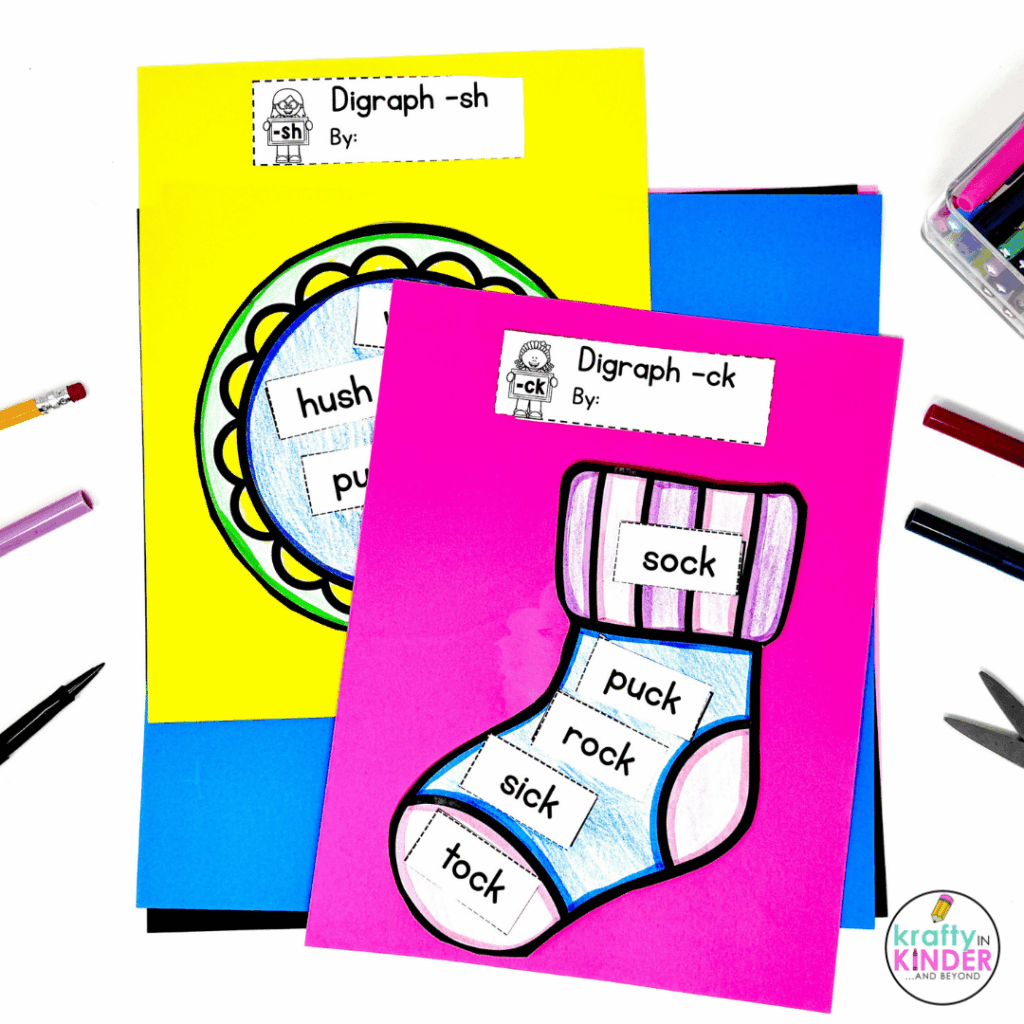
I really love to use learning crafts in my classroom. Why? They make engagement simple and easy! Plus, it’s great to be able to work on other skills too. Scissor practice, gluing, and following directions are all important primary skills, too! That’s why I created these Digraph Practice Activities and Crafts. This resource goes way beyond worksheets and allows a fun way to make digraph practice a priority!

Inside, you’ll find 8 crafts that each target a different digraph. The crafts themselves reflect the digraph, such as a sheep for SH, adding an extra layer of fun! The idea is that students will cut, sort, and glue words from the decodable word list onto the matching picture, reinforcing the target digraph.
There are easy-to-follow, visual student directions for each craft. The crafts also follow a repetitive, predictable format. This is great because it means you can teach it once in small groups, or to your whole group, and then use the remaining crafts as centers. Just place the visual directions at the table and allow the kids to get to work. They will color, cut, and assemble the craft to create a fun finished product to take home or display!
No matter where your kids are at with their digraph practice activities, there’s something for everyone in this resource!
Bonus Digraph Practice

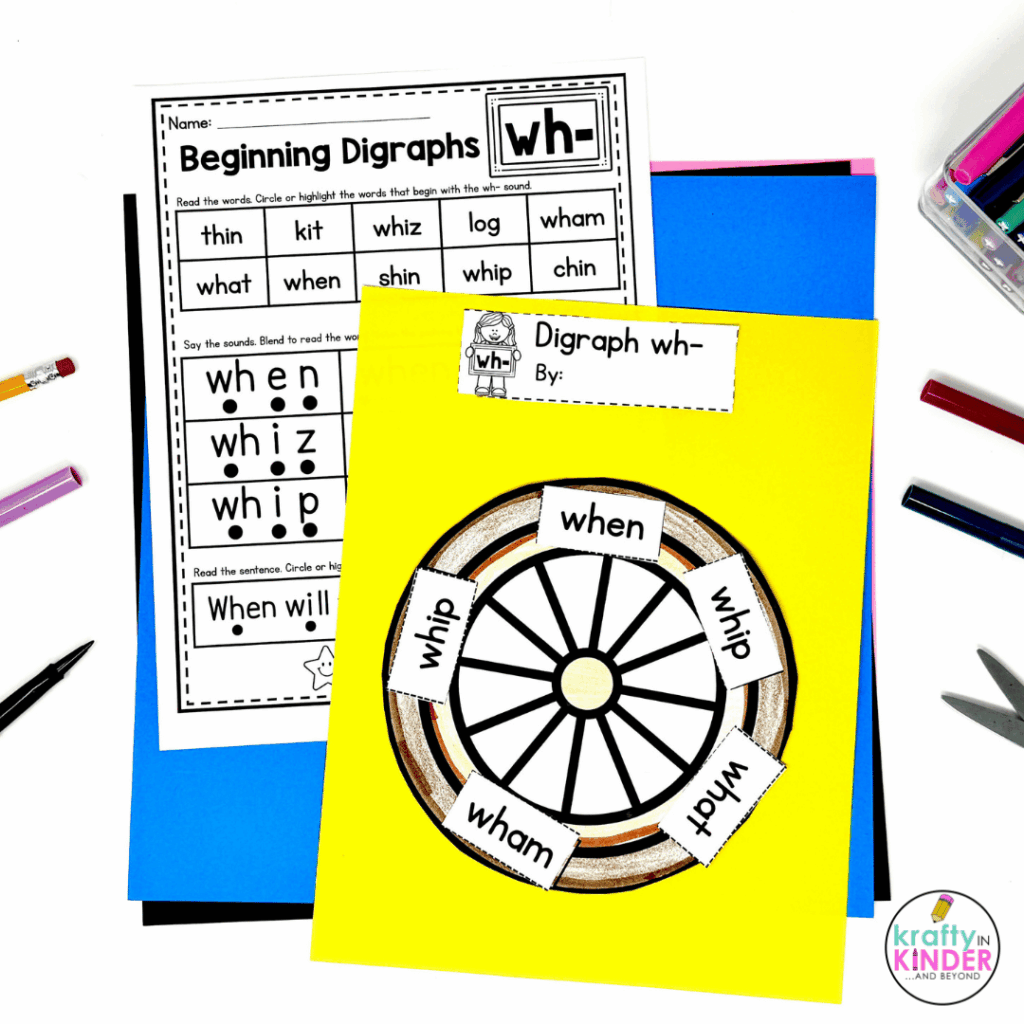
In need of even more ways to practice digraphs? I’ve got you covered! This resource also includes no-prep worksheets! Inside, you get one extra practice worksheet per digraph. These are designed to help students master digraphs through sound tapping, blending, reading, and sentence fluency.
Since these are no-prep, they’re the perfect addition to your centers, morning tubs, fast-finishers bins, or even homework. They’ll help bridge the gap and ensure your students get plenty of targeted practice with each digraph. I’ve even included answer keys for quick and easy grading, too!
Sneaky Digraph Practice
Last, when it comes to digraph practice, don’t forget that you can sneak it into other parts of your routine, too. There are many unexpected times of the day when you can add a touch of practice that feels fun, too! After all, repetition is key is mastery! Here are a few ways to do this:
- Post digraph anchor charts in your literacy and writing centers.
- Add a “digraph of the week” to your morning message or calendar routine.
- Display completed crafts on a bulletin board or hallway wall for reference.
- Use digraph review as an “exit ticket” in your classroom to line up. Point one out on a chart or flashcard and have students verbally produce a word that goes with it.
- Look for digraph words as you are walking from the classroom to the cafeteria or specials.
When digraphs are seen often and used in multiple ways, students are far more likely to recognize and use them in their reading and writing. So get sneaky with those visual and verbal cues!
Have Fun with Digraph Practice in Your Room
I hope this post has shown you that when it comes to learning new phonics skills like digraphs, we can rely on FUN practice techniques. It’s not all about flashcards and worksheets (although they have a place too)! For me, it’s all about mixing it up and getting creative with digraph practice. The more fun I can infuse into our practice activities, the better it turns out time and time again. So, I hope you’ll give these ideas a try in your room too! You can find the Digraph Garden Crafts and the Targeted Digraph Crafts and Activities in my TPT Store by clicking the images below! Grab them to simplify center time in your room!


Need a Refresher on Introducing Digraphs?
Don’t forget, I wrote a whole post all about How to Introduce Digraphs in the Primary Classroom, too!
Save This Post
Make sure to pin this post on Pinterest so you can come back to it when you’re ready to place digraph centers and small groups!


Awesome article.